
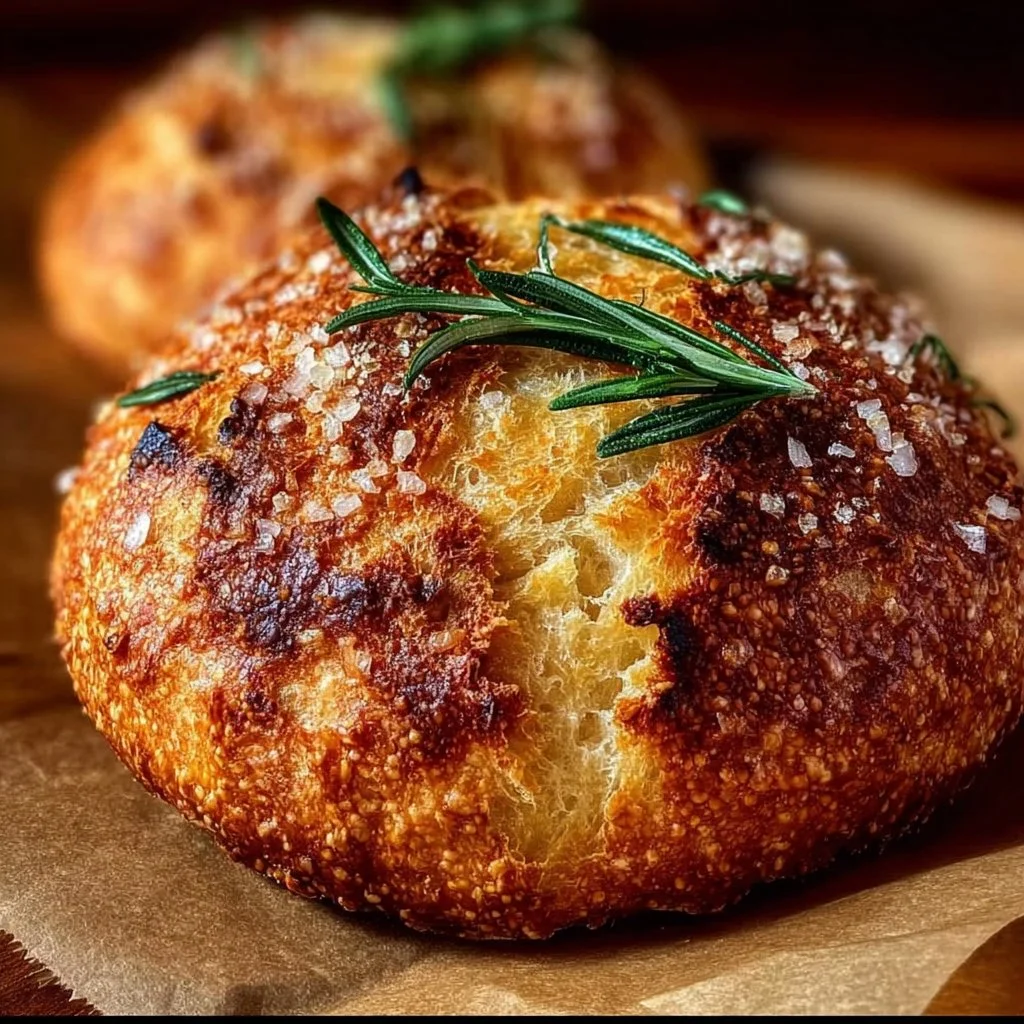
A warm loaf comes from the oven, its crust crackling as you slice through to reveal a soft, cheesy interior that smells of roasted garlic and nutty parmesan. This Perfect Parmesan Garlic Bread transforms a simple loaf into an elegant centerpiece for weeknight dinners, cozy soups, or casual gatherings, and it shines best when shared right away, still steaming.
I love pairing this bread with simple pasta or a rich, saucy main, and it’s lovely next to a slow cooker chicken dish like garlic parmesan chicken pasta for a complete, comforting meal.
What Makes This Special
This Perfect Parmesan Garlic Bread is special because it balances rustic, artisan texture with quick, approachable steps. The long, overnight rise builds flavor and those beautiful open crumbs, while the folded-in parmesan and fresh garlic create a savory, almost caramelized interior that stays moist even after cooling.
The crust crisps to a beautiful golden brown in a hot Dutch oven, holding a slight crunch that gives way to a tender, fluffy crumb. It works for both casual weeknights and a small dinner party, and the technique here is forgiving, so even a beginner baker can achieve bakery-quality results.
Why you will enjoy it
- Deep, nutty parmesan flavor with fragrant roasted garlic
- Thin, crackly crust with an airy, open crumb inside
- Hands-off overnight rise, minimal active time
Ingredients and Key Notes
This recipe relies on a few pantry staples, good-quality parmesan, and a patient overnight rise for the best texture. If you choose herbs, add them sparingly so they support the garlic and cheese without overpowering the bread.
- 3 1/4 cups (390g) all-purpose flour
- 2 teaspoons (10g) salt
- 1 teaspoon (5g) granulated sugar
- 2 teaspoons (7g) active dry yeast
- 1 1/2 cups (360ml) warm water (around 110°F/43°C)
- 2 tablespoons (30ml) olive oil
- 1 cup (100g) freshly grated parmesan cheese
- 2–3 cloves of minced garlic
- 1 tablespoon (15g) chopped fresh rosemary or parsley (optional)
Ingredient notes, briefly Parmesan adds savory depth and a slightly crystalline texture when baked, while the garlic gives the loaf bright aromatic notes. The long, cool rise develops flavor and keeps the crumb tender without needing large amounts of fat. Use freshly grated parmesan for the best melt and flavor.
Step by Step
- In a large mixing bowl, combine 3 1/4 cups (390g) of all-purpose flour, 2 teaspoons (10g) of salt, and 1 teaspoon (5g) of granulated sugar. Whisk the dry ingredients so the salt and sugar distribute evenly, you will smell the citrusy note of the yeast soon after it wakes up.
- In a small bowl, dissolve 2 teaspoons (7g) of active dry yeast in 1 1/2 cups (360ml) of warm water, around 110°F or 43°C. Let it sit for about 5 minutes until it gets foamy, the surface will look slightly bubbly and fragrant.
- Pour the yeast mixture into the dry ingredients, add 2 tablespoons (30ml) of olive oil, and mix everything together with a wooden spoon until combined, the dough will be sticky, that’s perfect. Stir until no dry patches remain and the flour is fully hydrated, the texture should feel shaggy and slightly elastic.
- Fold in 1 cup (100g) of freshly grated parmesan cheese and 2–3 cloves of minced garlic, if desired add 1 tablespoon (15g) of chopped fresh rosemary or parsley. You will smell the sharp, nutty parmesan and the bright garlic immediately, and the dough will feel more cohesive.
- Cover the bowl with a clean kitchen towel or plastic wrap, let the dough rise in a warm place for 12–18 hours or overnight, it should double in size and be bubbly. The long, slow fermentation gives the bread a light sour note and a deep aroma, and tiny bubbles should pimple the surface.
- Once the dough has risen, transfer it to a floured surface and gently shape it into a round loaf, avoid overworking it to maintain its airy texture. Use gentle folds rather than vigorous kneading to keep those airy pockets intact, the dough will feel soft and pillowy.
- Place the shaped dough onto a piece of parchment paper and let it rest for another 30 minutes while preheating your oven to 450°F, 230°C. If you are using a Dutch oven, place it inside the oven to preheat as well, the hot pot creates steam for a glossy crust.
- After resting, score the top of your dough with a sharp knife or lame to allow it to expand while baking, make a single long slash or a few decorative cuts. The score controls how the loaf opens and gives you a chance to design a golden pattern that blooms in the oven.
- Carefully place the parchment paper with the dough into the hot Dutch oven, cover with the lid, and bake for 30 minutes, the enclosed heat will puff the loaf and set the crust. You will hear a gentle hiss as the steam works, the smell of toasting cheese and garlic will fill your kitchen.
- Remove the lid and bake for an additional 15 minutes, or until the top is golden brown and the bread sounds hollow when tapped. The crust should be deeply colored, and the aroma will shift from doughy to roasted, a sure sign it is done.
- Let the bread cool on a wire rack for at least 30 minutes before slicing, this helps the texture set so the crumb does not gum up. The inside will continue steaming and firming as it cools, and the parmesan flavor will settle into a rich, savory finish.
Prep ~20 minutes active, Cook ~45 minutes, Total ~13–19 hours including overnight rise, Servings ~8, Kcal ~320 per serving
Make-Ahead and Prep Tips
You can do most of the work the day before you want to bake, the overnight rise is the heart of the flavor. Mix the dough and allow it to rise covered on the counter overnight, then shape and refrigerate the shaped dough for up to 24 hours if you need extra flexibility. When you are ready to bake, remove the dough from the fridge, let it come closer to room temperature for 30 to 60 minutes, then proceed with the final rest, scoring, and baking in a preheated Dutch oven for best oven spring.
If you prefer a same-day finish, use a bit warmer water to speed fermentation and shorten the rise to 4 to 6 hours, but the flavor will be less developed than the overnight method. You can also shred the parmesan and mince the garlic ahead of time and store them in a small container in the fridge, this saves a few minutes when you are ready to mix.
How to Store Leftovers
Store your Perfect Parmesan Garlic Bread in a paper bag or wrapped in a clean kitchen towel at room temperature for up to 2 days, this keeps the crust crisp while protecting the crumb. For longer storage, slice and freeze the cooled bread in a freezer-safe bag for up to 3 months, lay parchment between slices to prevent sticking.
To reheat gently, place slices in a preheated 350°F oven for 8 to 10 minutes, or toast individual slices until warm and the cheese香 slightly revives. Avoid microwaving for extended periods, as it will make the crust rubbery and the crumb gummy. A freshness cue is the aroma, if the bread smells stale or sour beyond the expected tang from fermentation, it is best to discard.
Perfect Pairings
- A green salad with lemon and shaved parmesan for a light contrast
- Tomato soup, roasted or classic, for dipping and soaking
- Roasted or slow cooker chicken with herbs for a cozy, family-style meal
- A platter of mixed olives and marinated vegetables for casual entertaining
- Serve alongside grilled vegetables and a simple grain bowl for a full vegetarian spread
- Try this bread with bold, saucy mains such as tomato-based or creamy pastas, it soaks up sauces beautifully, and if you love contrast try pairing with an umami-forward noodle, like the easy Mongolian ground beef noodles, the bread is perfect for mopping up extra sauce
Make It Your Own
Parmesan and garlic are the base, and small swaps let you tune the loaf to your taste or pantry.
- Add crushed red pepper and a little grated pecorino for a spicy, tangy kick, incorporate the pepper with the garlic so the heat infuses the dough.
- Swap fresh herbs, use thyme or oregano instead of rosemary for a Mediterranean touch, add them finely chopped so they distribute evenly.
- Stir in 2 tablespoons of olive tapenade or sun-dried tomato paste for a rustic, savory twist, fold it in gently for marbled flavor pockets.
- Make garlic-herb butter to serve with warm slices by mixing softened butter, minced garlic, chopped parsley, and a pinch of salt, smear on warm slices for a restaurant-style finish.
- For a cheesier interior, fold in 1/2 cup shredded mozzarella with the parmesan, this gives extra stretch and a creamier melt without overwhelming the parmesan notes.
- To keep it lighter, omit the extra fats and increase oven time slightly for a crispier crust and leaner crumb.
- If you want a seeded crust, brush the top with water and press sesame or sunflower seeds onto the loaf before baking, this adds nutty crunch and visual appeal.
All variations avoid pork, bacon, or any alcohol, and they keep the bread approachable for most cooks.
Pro Tips for Best Results
- Use a digital thermometer to check your water, about 110°F or 43°C wakes the yeast without killing it.
- Give the dough a long, slow rise, 12 to 18 hours builds flavor and creates an open crumb, resist the urge to rush it.
- Preheat your Dutch oven with the lid inside the oven at 450°F, the hot pot creates steam that crisps the crust quickly.
- Handle the dough gently when shaping, use folding motions not vigorous kneading to preserve air bubbles.
- Cool the loaf at least 30 minutes before slicing, the crumb sets as it releases steam and slicing too soon leads to a gummy interior.
- Look for a deep golden brown and a hollow sound when you tap the bottom, these are reliable doneness cues.
Perfect Parmesan Garlic Bread FAQs
What if my dough does not rise overnight?
If the dough stays flat, the yeast may be old or the environment too cool. Check that your yeast was fresh and that the water was warm enough, and move the bowl to a slightly warmer spot, like near the stove or in an oven with the light on, for an extra hour.
Can I use instant yeast instead of active dry yeast?
Yes, you can swap instant yeast, use about 1 3/4 teaspoons instead of 2 teaspoons of active dry, and mix it directly with the flour. The rise times may be slightly shorter with instant yeast.
How do I prevent the bottom from burning in a Dutch oven?
Line the Dutch oven with parchment paper and place the loaf on the paper, this creates a buffer from the direct heat. If you still see rapid darkening, reduce oven temperature by 10 to 15 degrees, and bake a little longer to finish through.
Can I make individual rolls instead of one loaf?
Absolutely, portion the dough into smaller pieces after the first rise and shape into rolls, reduce the final rest to 20 minutes and bake for about 20 to 25 minutes until golden and hollow sounding.
Does the garlic become bitter when baked?
Raw garlic can become mellow and sweet with slow cooking, but if baked too long at very high heat it may develop a slightly bitter edge. Mince the garlic finely and fold it into the dough so it distributes evenly, and avoid charring on the surface when finishing the loaf.
How do I get the crust extra crispy?
Bake with the lid on for the first 30 minutes to build steam, then remove the lid and finish at the same high temperature to develop deep color. An extra minute under the broiler can tip the crust to extra-crispy, watch carefully so it does not burn.
Final Thoughts
This Perfect Parmesan Garlic Bread is a reliably comforting loaf, it delivers the crunchy exterior and tender, cheesy interior that make garlic bread feel special. The overnight rise is a small patience investment for a richly flavoured, artisan-style result, and it pairs beautifully with soups, salads, and saucy mains. Give it a try this week, and enjoy the little ritual of scoring, baking, and sharing a warm, fragrant loaf with family or friends.
Print
Perfect Parmesan Garlic Bread
- Total Time: 780 minutes
- Yield: 8 servings 1x
- Diet: Vegetarian
Description
A warm, crusty loaf filled with cheesy, roasted garlic goodness, perfect for weeknight dinners and casual gatherings.
Ingredients
- 3 1/4 cups (390g) all-purpose flour
- 2 teaspoons (10g) salt
- 1 teaspoon (5g) granulated sugar
- 2 teaspoons (7g) active dry yeast
- 1 1/2 cups (360ml) warm water (around 110°F/43°C)
- 2 tablespoons (30ml) olive oil
- 1 cup (100g) freshly grated parmesan cheese
- 2–3 cloves of minced garlic
- 1 tablespoon (15g) chopped fresh rosemary or parsley (optional)
Instructions
- In a large mixing bowl, combine flour, salt, and sugar. Whisk to blend.
- Dissolve yeast in warm water, let it sit for about 5 minutes until foamy.
- Pour yeast mixture into dry ingredients, add olive oil, and mix until combined.
- Fold in parmesan cheese and minced garlic, add herbs if desired.
- Cover and let the dough rise in a warm place for 12-18 hours or overnight.
- Shape the dough on a floured surface, avoiding overworking it.
- Rest the shaped dough for 30 minutes while preheating the oven to 450°F (230°C).
- Score the top of the dough and bake in a preheated Dutch oven for 30 minutes covered, then 15 minutes uncovered until golden brown.
- Cool on a wire rack for at least 30 minutes before slicing.
Notes
Use freshly grated parmesan for best flavor. Store leftover bread in a paper bag for up to 2 days, or freeze slices for up to 3 months.
- Prep Time: 20 minutes
- Cook Time: 45 minutes
- Category: Bread
- Method: Baking
- Cuisine: Italian
Nutrition
- Serving Size: 1 slice
- Calories: 320
- Sugar: 1g
- Sodium: 400mg
- Fat: 12g
- Saturated Fat: 6g
- Unsaturated Fat: 5g
- Trans Fat: 0g
- Carbohydrates: 45g
- Fiber: 2g
- Protein: 10g
- Cholesterol: 20mg
Keywords: parmesan, garlic bread, homemade bread, easy bread, baking